The Subject Matter and Scope of Immovable Property Ownership
Legal Articles
Legal Article · 12 November 2026
Thomas Andreas Di Constantinople, Attorney at Law
The subject matter of immovable property ownership is not confined to land. Article 704 of the Turkish Civil Code (TMK) identifies land, independent and permanent rights entered on separate pages of the land register, and independent units recorded in the condominium register as objects of immovable property ownership. This legal classification differs from describing a place in everyday language as a house, building plot or workplace.
Land, Buildings and Independent Units
Subject to statutory restrictions, ownership of land also extends to buildings, plants and springs on it. A part of a building used separately in practice does not automatically become independent immovable property. Independent-unit status depends on the requirements for establishing and registering condominium ownership. Mere arrangements for use or a private division agreed between the parties do not change the legal classification in the land register.
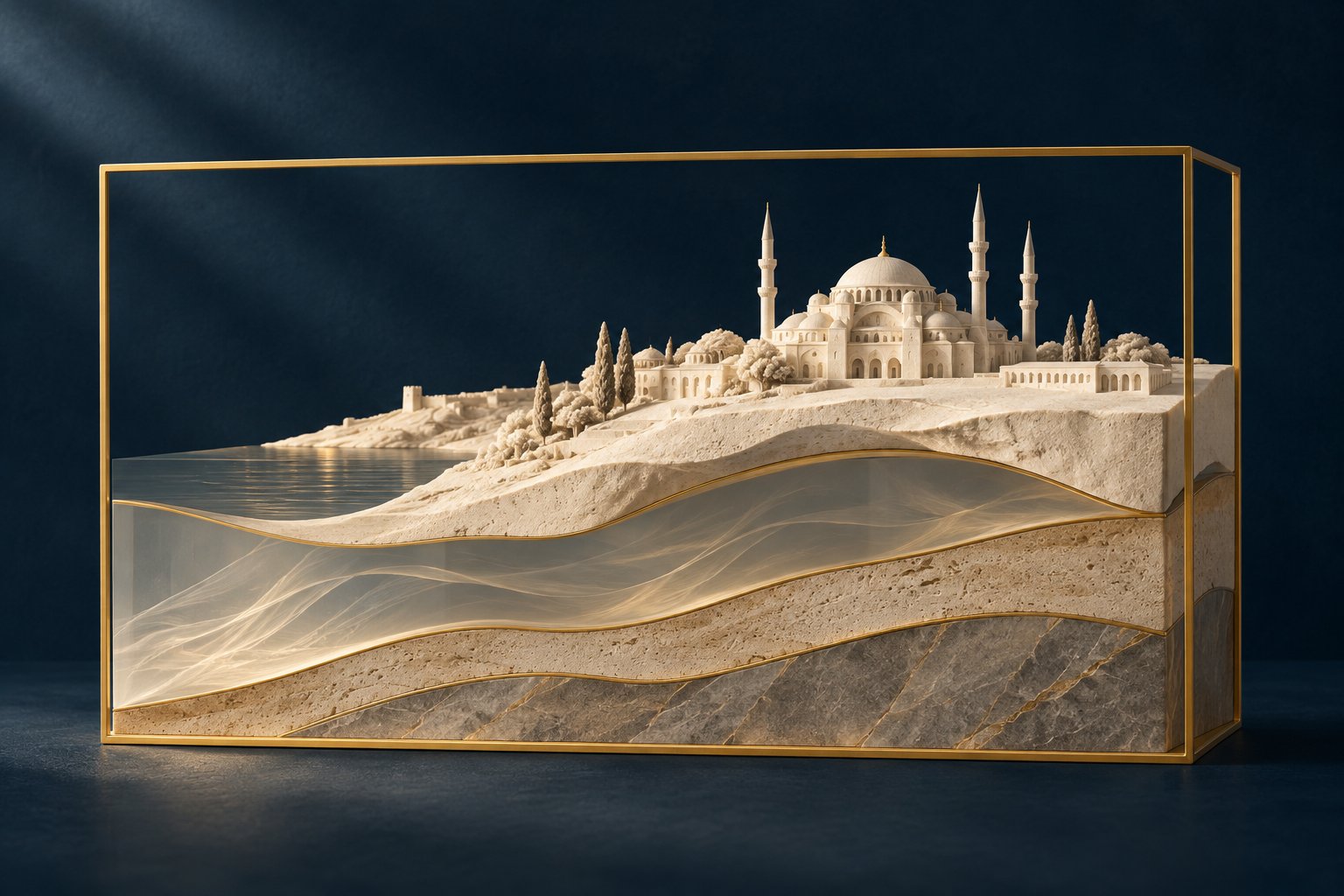
Under Article 718 TMK, ownership of land extends to the air above and the ground below to the extent that their use offers a benefit. This does not confer unlimited control over height or depth. Restrictions under planning, environmental and special legislation also apply. The area of the land and the development permitted on it are not the same legal concept.
Land registry plans and boundary markers on the ground matter when determining horizontal boundaries. If they conflict, Article 719 TMK generally gives priority to the boundary shown in the plan, subject to the statutory exception. The existing position of a fence or wall alone is not sufficient in a dispute. The land register entry, plan and actual situation are assessed together. This allows the subject matter of ownership and the limits of use to be determined separately.
Related Topics
This article has been prepared for general legal information.